From Silence to Celebration: The Evolution of LGBTQ+ Literature
Hey Booklovers!
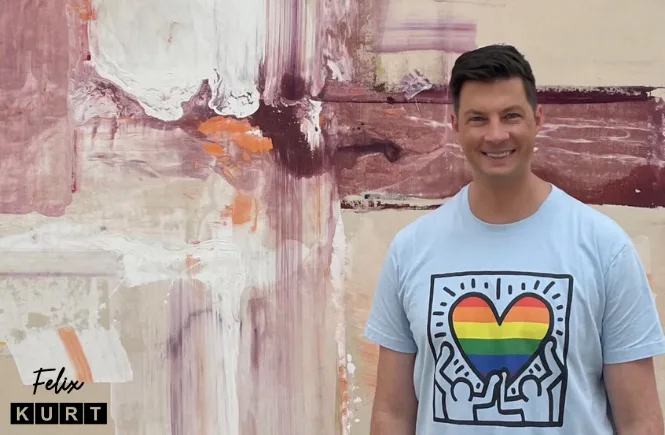
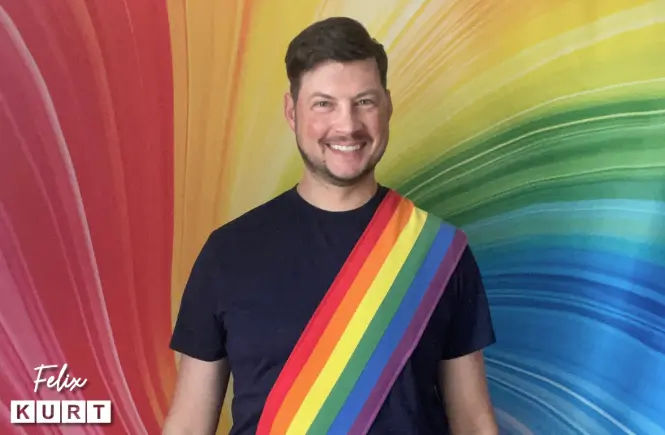
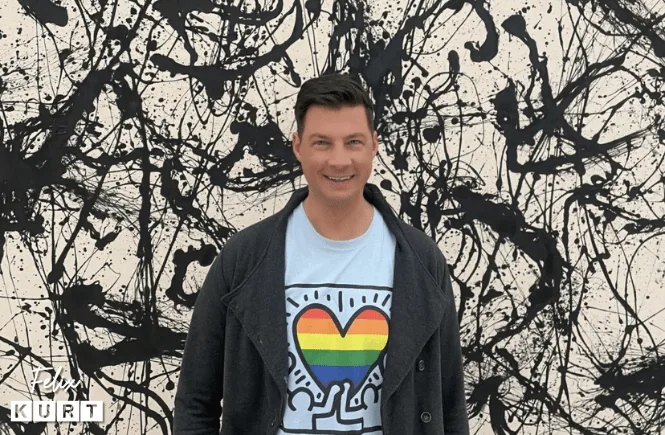
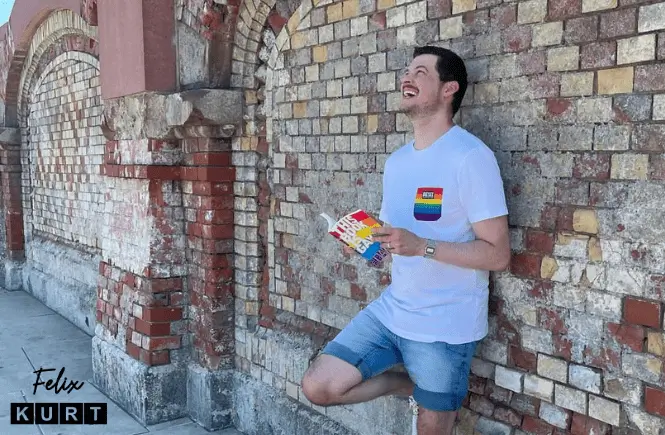
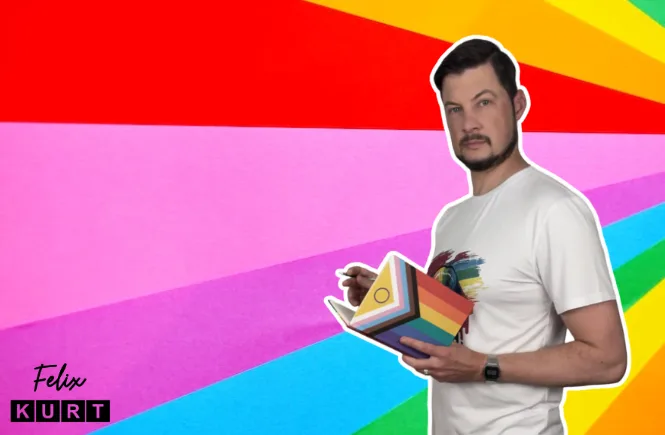
When I think about LGBTQ+ literature, I see a powerful journey—one that’s come a long way from whispers and shadows to loud, proud storytelling. As a gay male author, this evolution isn’t just history to me; it’s deeply personal. Creating queer characters isn’t just part of my work—it’s my world. I write from lived experience, and that authenticity shapes every page.
📚 How Did LGBTQ+ Themes Begin in Literature?
LGBTQ+ stories were often hidden or coded for centuries—characters had to be cautious, and authors even more so. Early queer literature was often tragic or veiled in metaphor, reflecting a society that didn’t allow open expression. Writers like Oscar Wilde (The Picture of Dorian Gray, 1890), whose novel subtly explored homoerotic desire, and Virginia Woolf (Orlando, 1928), with its gender-fluid protagonist, laid early foundations without naming it outright.
🌟 When Did LGBTQ+ Literature Start to Change?
The mid-20th century marked a turning point with more direct explorations of queer identity, though often through tragic or conflicted narratives.
- James Baldwin’s Giovanni’s Room (1956) gave a raw portrayal of a gay man’s struggles with identity and love.
- Patricia Highsmith’s The Price of Salt (1952), later republished as Carol, was revolutionary for its hopeful ending in a lesbian love story.
- Radclyffe Hall’s The Well of Loneliness (1928), controversial in its time, openly addressed lesbian identity despite censorship.
These works pushed boundaries and demanded visibility despite social resistance.
🌈 What Does Contemporary LGBTQ+ Literature Look Like?
Today, LGBTQ+ literature flourishes with a spectrum of voices and stories that celebrate complexity and joy:
- Fun Home by Alison Bechdel (2006), a graphic memoir about growing up queer, broke new ground in nonfiction storytelling.
- Adam Silvera’s They Both Die at the End (2017) brought queer characters to YA readers with emotional depth and modern themes.
- Ocean Vuong’s On Earth We’re Briefly Gorgeous (2019) mixes poetry and prose to tell a queer immigrant story with haunting beauty.
- Becky Albertalli’s Simon vs. the Homo Sapiens Agenda (2015) gave queer YA fiction a mainstream boost with its sweet, authentic voice.
As someone who writes queer fiction, I’m honored to add to this tapestry—telling stories that feel real because they come from my world.
🖋️ Why Is Writing Queer Characters Authentic for Me?
Because I live it.
Every experience, every feeling—whether it’s first love, coming out, or the search for belonging—informs my writing. That’s why I believe queer stories written by queer people carry an authenticity that’s hard to replicate. It’s more than plot or trope; it’s heart and lived truth.
🔍 Why Does LGBTQ+ Literature Matter Today?
Representation matters and touches lives all over the globe. It educates, inspires, and builds empathy. Especially for young readers searching for themselves in books, seeing someone like them on the page can mean the world. The evolution of LGBTQ+ literature isn’t just a timeline—it’s a beacon of hope for all individuals who feel alone and not seen.
My newsletter subscribers get instant access to my Secret VIP Giveaway Page, where I share free short stories and exclusive insights into my current projects. Sign up HERE
Stay bookish and fabulous,
Felix